
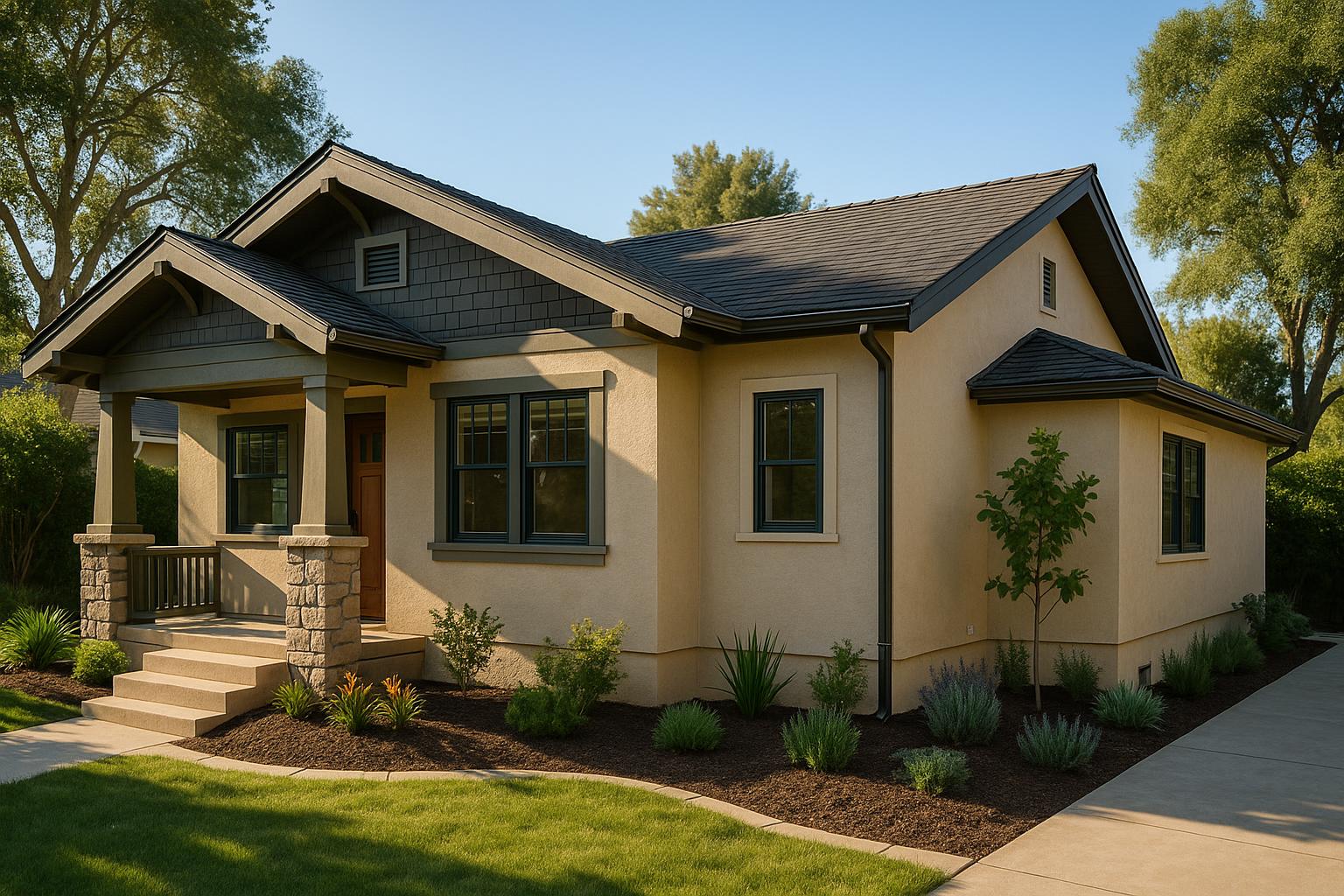
Why Room Additions Are So Popular in San Diego
San Diego homeowners love where they live. The weather is unbeatable, the neighborhoods have character, and property values continue to hold strong. So when a growing family needs more space or a homeowner wants a dedicated office, selling and moving isn't always the best answer. A well-planned room addition lets you stay in the community you love while gaining the square footage you need.
But here's the reality: room additions are one of the most complex remodeling projects you can take on. They involve structural engineering, foundation work, permits, and coordination across multiple trades. Without a solid plan, costs can balloon and timelines can stretch far beyond what you expected.
At Pine Ridge Construction, we've helped homeowners across San Diego, La Mesa, El Cajon, and surrounding communities add rooms that feel like they were always part of the house — without the financial surprises. Here's how to approach the planning process so your project stays on track.
Step 1: Define the Purpose Before You Define the Space
Before you start thinking about square footage, get clear on why you need the addition. The purpose of the room will drive every decision that follows, from size and layout to materials and finishes.
Common reasons homeowners in San Diego pursue room additions include:
- A growing family — adding a bedroom, nursery, or second bathroom
- Remote work — creating a dedicated home office away from household noise
- Aging parents — building an in-law suite or accessible bedroom on the ground floor
- Lifestyle upgrades — adding a sunroom, media room, or expanded living area
Each of these has different requirements for plumbing, electrical, HVAC, and structural support. A home office with a few outlets is a very different project from a bedroom suite with a full bathroom. Defining the purpose early helps your contractor give you an accurate estimate instead of a rough guess.
Step 2: Understand What Drives the Cost
Room addition costs aren't just about the size of the room. Several factors influence your final number, and understanding them helps you make smarter trade-offs.
Foundation and Structural Work
Every room addition needs a foundation, and the type depends on your lot's soil, slope, and existing structure. San Diego's varied terrain — from flat lots in Chula Vista to hillside properties in the eastern suburbs — means foundation costs can vary significantly from one project to the next.
Permits and Engineering
The City of San Diego and surrounding municipalities require permits for room additions. You'll also likely need structural engineering plans. These aren't optional expenses, and skipping them creates legal and safety risks. A reputable contractor will handle the permitting process for you, but it's important to budget for it upfront.
Tying Into Existing Systems
Your new room needs to connect to your home's existing electrical panel, HVAC system, and potentially plumbing. If your current systems are near capacity, upgrades may be necessary. For example, an older home in Lemon Grove or National City might need a panel upgrade to safely support the additional electrical load.
Finishes and Materials
This is where you have the most control over cost. Luxury flooring, custom cabinetry, and high-end fixtures will push the budget up. Standard materials that match the rest of your home can keep things reasonable without sacrificing quality. The key is choosing finishes that are consistent with your home's existing style so the addition doesn't look like an afterthought.
Step 3: Set a Realistic Budget — Then Add a Contingency
Once you understand the cost drivers, work with your contractor to establish a realistic budget. Be honest about your financial limits. A good contractor will help you prioritize features and find ways to achieve your goals within your means.
Here's a rule experienced homeowners follow: add a 10-15% contingency to your budget. No matter how well you plan, surprises happen. You might discover outdated wiring behind a wall, or the city might require an additional inspection. A contingency fund keeps these surprises from becoming crises.
Step 4: Choose the Right Contractor Early
One of the biggest budget-busting mistakes homeowners make is waiting too long to bring in a contractor. Some people spend months designing their dream addition on their own, only to discover that their vision doesn't fit their budget or their lot.
Involving a contractor early in the planning process saves time and money. An experienced remodeling team can:
- Identify potential challenges with your property before you invest in detailed plans
- Suggest cost-effective alternatives you might not have considered
- Provide a realistic timeline so you can plan around the disruption
- Handle permits and inspections so nothing falls through the cracks
When evaluating contractors, look for a company with specific experience in room additions — not just general remodeling. Ask for references from similar projects and verify their license and insurance. In San Diego, the Contractors State License Board is your go-to resource for verification.
Step 5: Plan for How the Addition Connects to Your Home
A room addition should feel seamless. That means paying attention to how the new space connects to the existing floor plan, both physically and aesthetically.
Think about:
- Flow: How will you move between the new room and the rest of the house? Awkward hallways or poorly placed doors can make an addition feel disconnected.
- Roofline: The new roof should complement the existing structure. A mismatched roofline is one of the most visible signs of a poorly planned addition.
- Exterior materials: Matching siding, stucco, or paint ensures the addition looks like it belongs. This is especially important in San Diego neighborhoods where curb appeal matters for property value.
- Natural light: San Diego gets over 260 sunny days a year. Take advantage of that with well-placed windows or even a skylight.
Step 6: Think About Return on Investment
Not every room addition adds the same value to your home. If resale value matters to you, consider which types of additions offer the strongest return in the San Diego market.
Generally, adding a bedroom and bathroom suite provides one of the highest returns because it increases the functional bedroom count of the home. A well-built in-law suite can also be attractive to buyers in a market where multigenerational living is increasingly common.
On the other hand, highly specialized rooms — like a home theater with built-in equipment — may not appeal to every buyer. That doesn't mean you shouldn't build one if it's what you want, but it's worth considering if you plan to sell within a few years.
Start With a Conversation
Planning a room addition doesn't have to be overwhelming. The key is starting with clear goals, understanding the costs, and working with a contractor who communicates openly throughout the process.
If you're considering adding space to your San Diego home, Pine Ridge Construction is here to help you think it through. We'll walk your property, discuss your goals, and give you a straightforward assessment of what's possible within your budget. No pressure, no surprises — just honest guidance from a team that does this every day.